
Kitchen renovation tips: Simple features for a smooth workflow

Updated: Jul 11

In our previous post, we covered some basic kitchen renovation tips. Apart from delivering your ideal insta-worthy kitchen, an important part of our work lies in nailing those details that help improve efficiency and make working in the kitchen more enjoyable. After all, it is a space we use daily even if we rarely cook.
Here are some elements to consider as you begin planning your home renovation. Let's get started.
Plan for power

We all have those appliances that never get put away. Think coffee machine, toaster, electric kettle, and air fryer, just to name a few. It’s helpful to identify these "permanent residents" early so you can place power points where they will sit. This prevents the daily chore of dragging appliances across the counter just to find a plug.

While you’re mapping out your outlets, think about your other habits. If you often sit at the island to catch up on work with a coffee (or love hotpot gatherings) make sure there’s a power point there. It’s a simple addition that keeps your laptop charged without having cables trailing across the walkway.
Even for occasionally-used appliances like slow-cookers or huge steamer pots, it’s helpful to think of where you would use them, and to have electrical outlets in those areas, rather than relying on extension cords next time.
Under-cabinet lighting

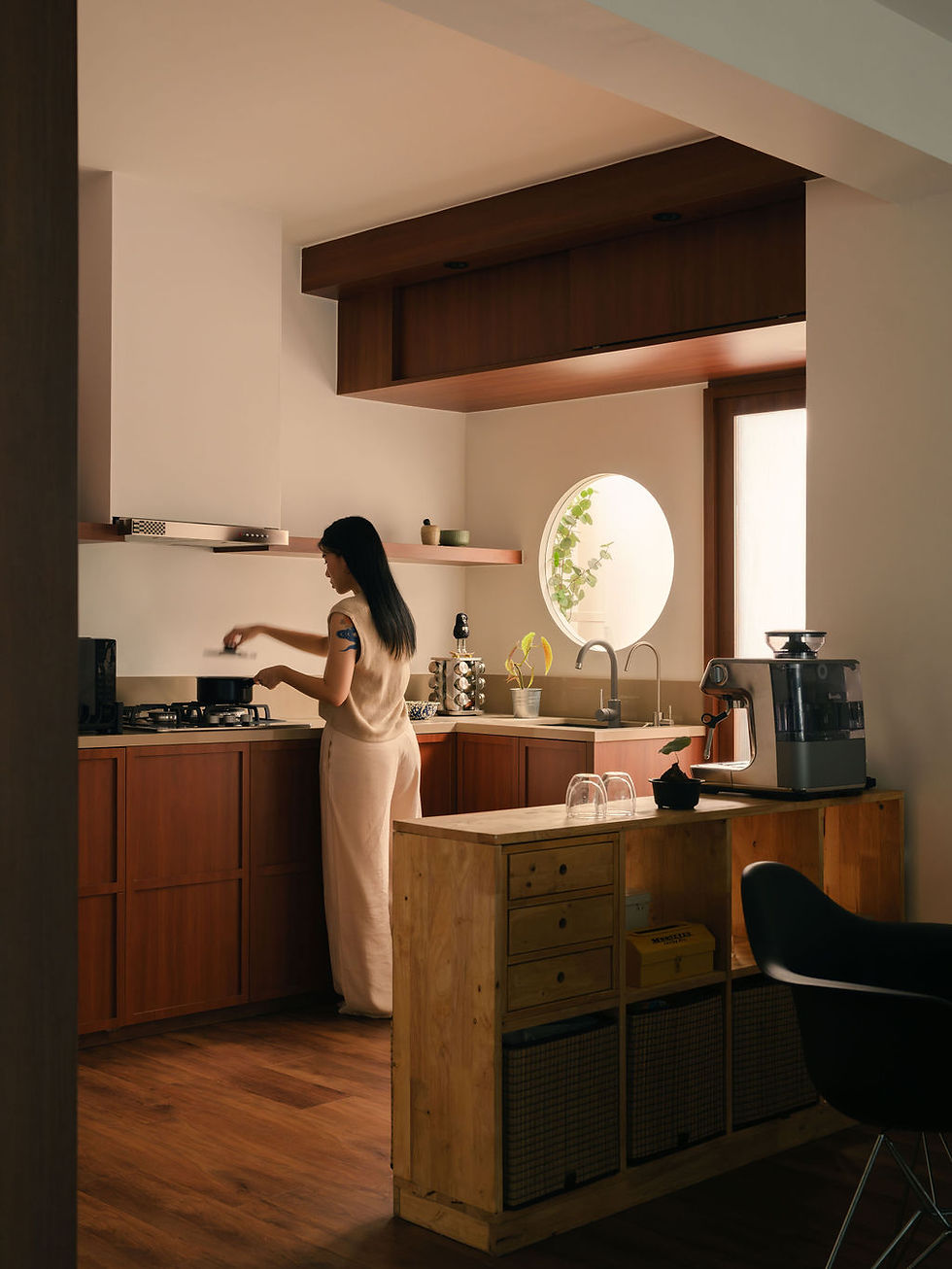
Once you have an idea of how you'll work in the kitchen, it's time to think of lighting. Standard overhead lights often cast shadows where you are chopping vegetables or whisking eggs for your weekend lemon cake. Therefore, the majority of our clients opt for under-cabinet lighting to ensure the light is focused directly on the workspace rather than behind.

For the coffee connoisseur, apart from creating a cosy ambience, such lighting makes the station feel like a dedicated zone and gives you the clarity for a precision brew in the early morning.
Renovation tip for kitchen cabinets

Beyond the electrical and lighting, a few specific hardware choices can make a kitchen feel more intuitive. A slim, vertical pull-out rack keeps oils and spices within reach so you don't have to go digging or re-arranging the front bottles just to get something from the back of a cabinet. Food containers and beverage tins can also be slotted neatly into this compartment.
Similarly, for lower cabinets, heavy duty drawers are better for storing large cookware or less used serving plates. It allows visibility and easy access so you don't have to squat, bend, and reach in, all while making sure you don't bump your head against the cabinet frame just to retrieve one pot.

Open shelvings are useful for displaying items that you use frequently, from coffee mugs and small condiment bottles to jars of colourful dried tea leaves. With many designs to choose from, some clients go for minimalist floating shelves, while others may prefer the look of niches and curves. The choice of design can also influence the overall mood of this corner, an effective way to dress up the kitchen without a huge price tag.
Conclusion
Looking at your current space, which of these would have made a big difference in your daily routine?
It is important to think through all the technical details before the renovation begins. To make the process feel less overwhelming, our interior designers are available for consultations to guide you through every step.


Comments